
Dermaplaning London
What is dermaplaning?
Expert Exfoliation in Knightsbridge
Dermaplaning is a premier cosmetic procedure favored by our clients in **Knightsbridge** and **Belgravia** for its ability to instantly transform the skin's surface. By removing the outermost layers of dead skin and fine vellus hair, this treatment targets fine wrinkles, deep acne scarring, and uneven texture, creating a perfectly smooth, radiant canvas.
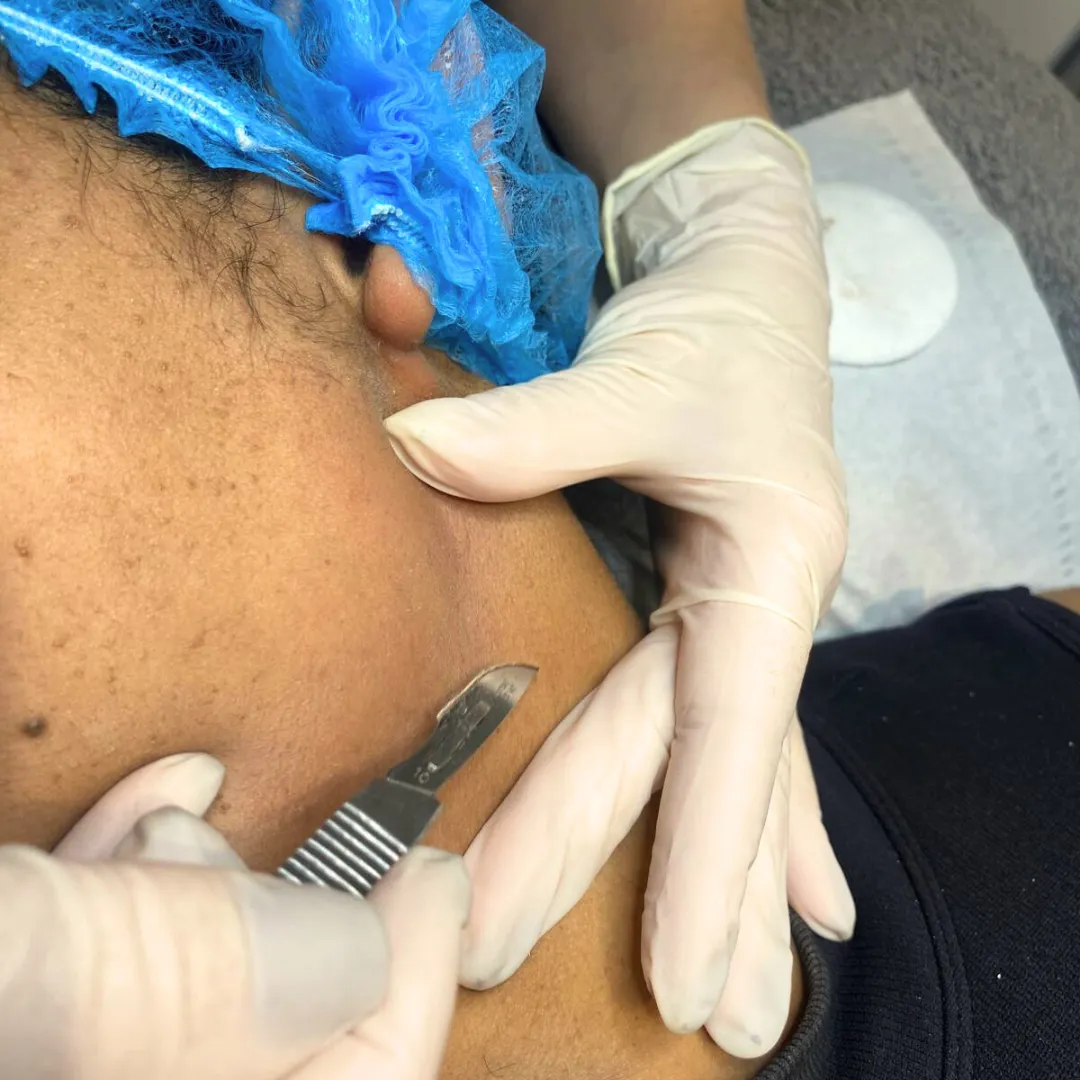
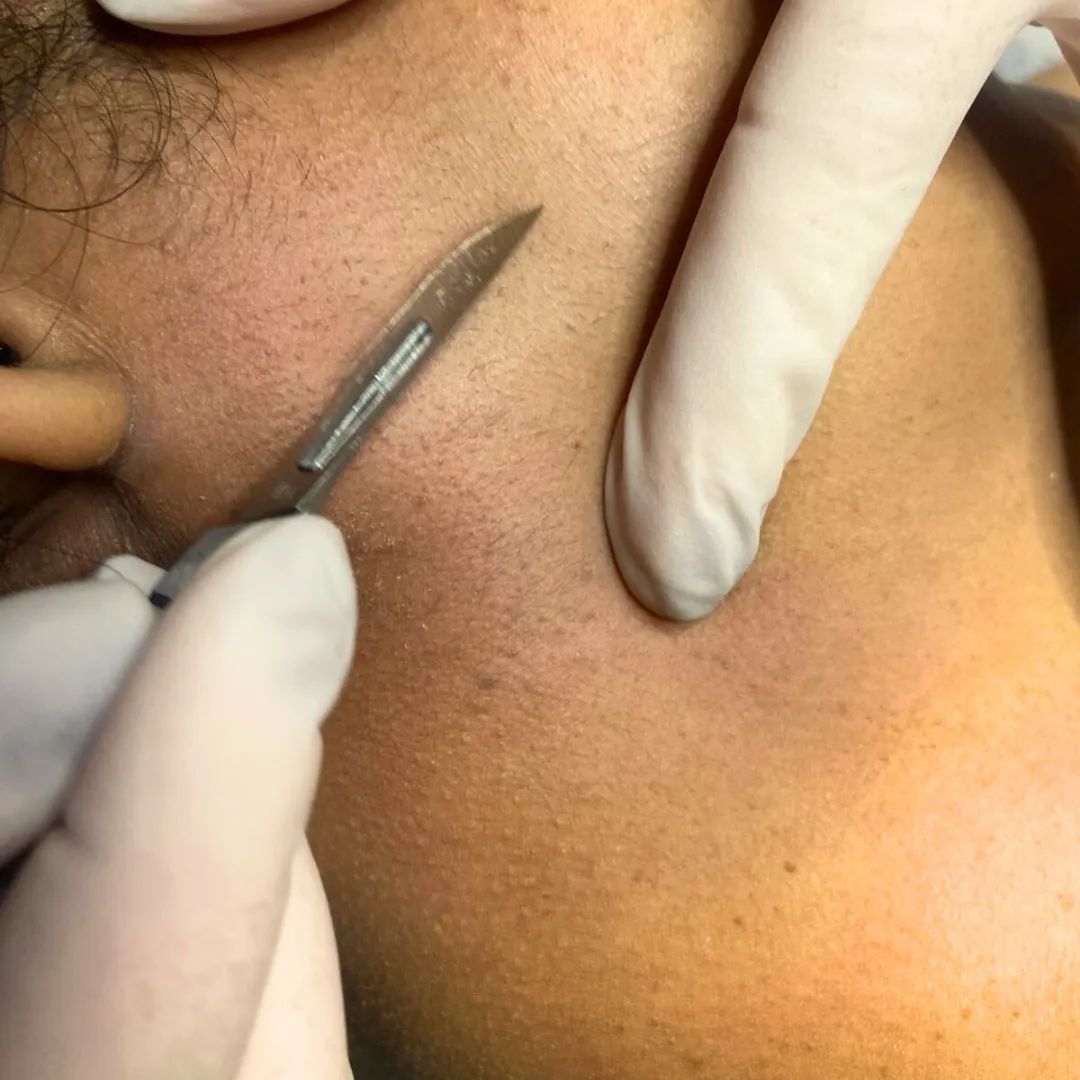
Conveniently located near **Harrods** and **Sloane Square**, our clinic provides expert dermaplaning treatments that take approximately 30-45 minutes. Using a sterile, medical-grade blade, our specialists gently exfoliate the skin, revealing a fresh, vibrant surface that allows your premium skincare products to penetrate significantly deeper.
Benefits:
- Improved Skin Texture
- Brightened Complexion
- Creates a flawless canvas for makeup application
- Enhances the absorption of skincare products, allowing active ingredients to penetrate deeper into the skin layer
Frequency of use:
You can safely repeat the procedure every 4-6 weeks and the benefits of your treatment will be enhanced by regular sessions. We will discuss with you what's best for your skin and look forward to seeing you again!
Important Considerations:
- Inflamed skin
- Active breakouts
- Very sensitive skin
- Cold sores
- Dermatitis
- Skin Cancer
- Eczema
Medical-Grade Precision
Unlike standard beauty salons, our Knightsbridge clinic uses sterile, single-use surgical scalpels and medical-grade techniques to ensure the deepest, safest exfoliation possible.
Expert Aesthetic Oversight
Every dermaplaning session is performed by highly trained aestheticians who understand skin anatomy, ensuring zero irritation and a perfect glow for even the most sensitive skin.
Luxury SW1 Environment
Experience your transformation in a serene, private setting near Harrods. We provide a luxury experience that matches the high standards of our Chelsea and Belgravia clientele.
Vellus Hair Explained
Dermaplaning & Peach Fuzz
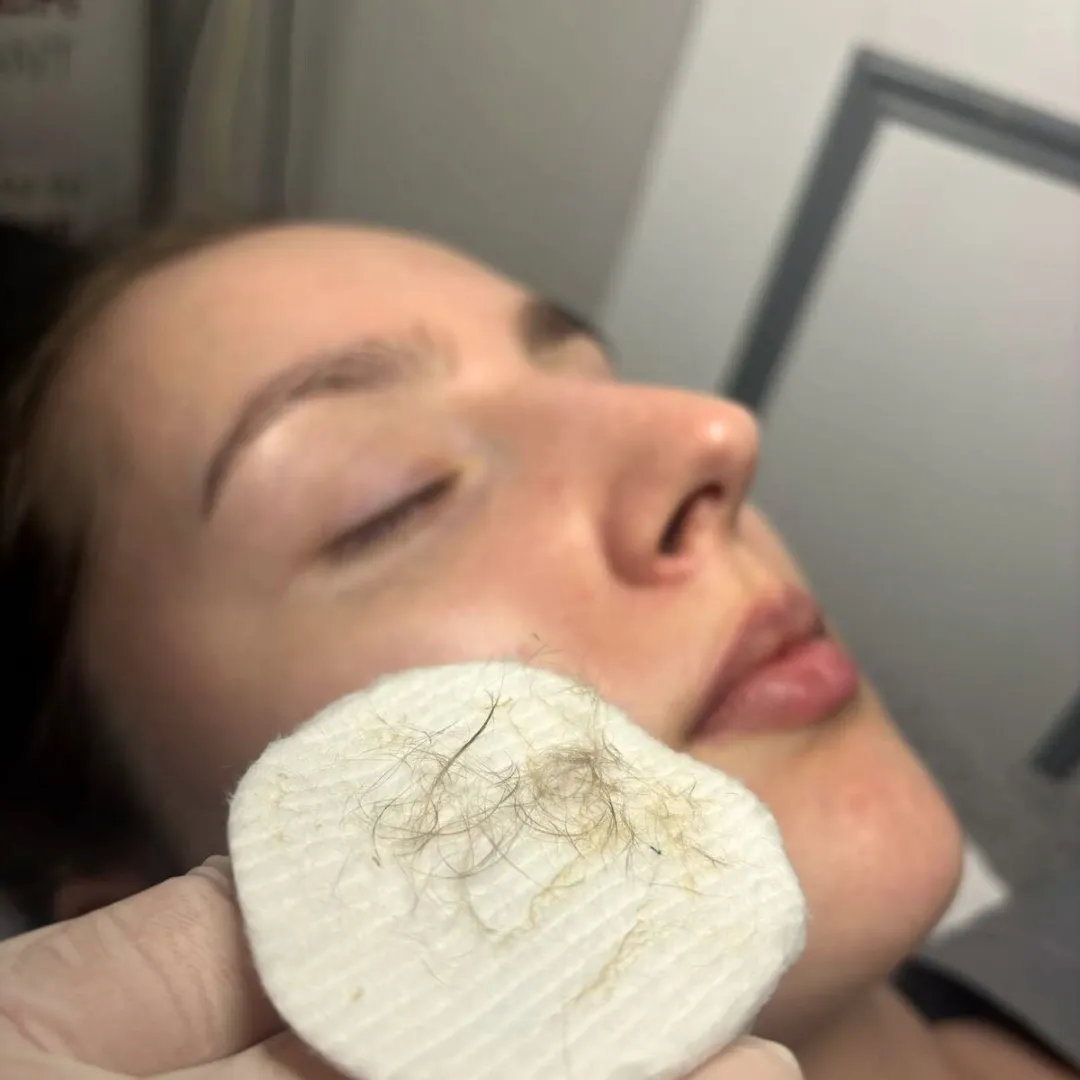
"Peach fuzz" is the everyday name for vellus hair — the fine, soft, lightly pigmented hair that grows naturally across most of the face. Unlike the coarse, dark terminal hair found on the scalp, beard or legs, vellus hair contains very little melanin and sits close to the surface of the skin.
Dermaplaning is uniquely well suited to peach fuzz because the sterile blade simply slices each vellus hair flush with the skin's surface. It never reaches or disturbs the follicle beneath, so it physically cannot alter the thickness, colour or growth rate of the hair — the "it grows back thicker" belief is a long-debunked myth.
The same cannot be said for every hair-removal method. Laser hair removal targets pigment inside the follicle, which makes it effective on dark terminal hair but poor on unpigmented vellus hair. More importantly, lasering fine facial vellus hair is a recognised cause of paradoxical hypertrichosis — a documented reaction in which the treated hair is stimulated into denser, darker regrowth rather than reduced. For this reason, clinicians generally advise against using laser on facial peach fuzz. Dermaplaning avoids this risk entirely because it works mechanically at the surface, with no energy delivered to the follicle.
Repeated tweezing of vellus hair is also best avoided: it can irritate the follicle, cause inflammation and lead to ingrown hairs. If you have a few isolated dark, coarse hairs on the chin or upper lip, we recommend removing those permanently with electrolysis first, then maintaining the rest of your complexion — peach fuzz included — with regular dermaplaning every 4–6 weeks.
Dermaplaning Treatments
Dermaplaning Face & Neck Treatment
£100
Comprehensive dermaplaning treatment for face and neck areas. Professional blade exfoliation removes dead skin cells and vellus hair, revealing smoother, brighter skin with enhanced product absorption.
Dermaplaning Face Treatment
£80
Professional facial dermaplaning treatment using a sterile surgical blade to gently remove dead skin cells and fine facial hair, leaving skin instantly smoother and more radiant.
Expert Advice
Dermaplaning London FAQ
Is dermaplaning safe for all skin types?
Dermaplaning is safe for most skin types, especially those with dry or rough skin. It is a favorite among our clients in **Chelsea** and **Knightsbridge** for achieving an instant glow. However, it is not recommended for those with active acne or inflamed skin.
What is the difference between dermaplaning and shaving?
While both remove hair, dermaplaning uses a medical-grade sterile blade to provide a much deeper exfoliation of dead skin cells than a standard razor. Our **Knightsbridge** clinic uses professional-grade tools to ensure safety and precision.
Can I combine dermaplaning with other treatments?
Absolutely. Dermaplaning is often combined with chemical peels or hydrating facials. Because it removes the barrier of dead skin cells, subsequent treatments can penetrate much more effectively. Many of our **Knightsbridge** clients combine this with our signature facial treatments.
Does dermaplaning make facial hair grow back thicker or stronger?
No, that is a common beauty myth. Dermaplaning only slices the hair cleanly at the surface of the skin and never touches the hair follicle underneath, so it cannot change the thickness, colour, or speed of your hair growth. Because the blade cuts the hair straight across rather than leaving a soft, tapered tip, the regrowth can briefly feel slightly blunt or stubbly, but the hair itself is completely unchanged. If you have a few dark, coarse chin or upper lip hairs, we recommend removing those permanently with electrolysis first so you never have to worry about coarse stubble.
Is dermaplaning safe for peach fuzz (vellus hair)?
Yes — dermaplaning is completely safe for fine vellus hair (peach fuzz) and is in fact the ideal way to remove it. The blade cuts the hair cleanly at the surface and never touches the follicle, so it cannot change the thickness, colour or speed of regrowth. Crucially, dermaplaning will not trigger paradoxical hair growth the way laser or tweezing sometimes can. Laser targets pigment in the follicle and is a documented cause of paradoxical hypertrichosis when used on fine facial vellus hair, while repeated tweezing can irritate the follicle and cause ingrowns. For peach fuzz, dermaplaning is the gentler, safer choice.